
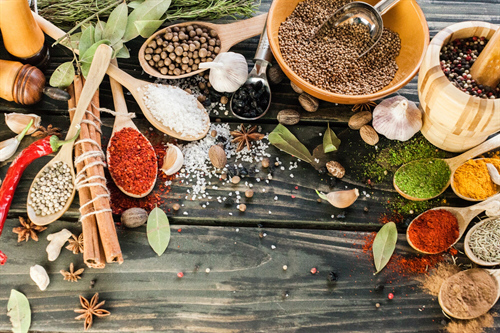
9 Best Herbs for Neuroprotection

It is estimated that about 80% of the population in the developing world uses some form of herbs to treat common medical conditions. The western world is also shifting towards natural therapies, wishing to avoid the overwhelming side effects that come with pharmaceuticals. 

Natural remedies which constitute herbs are classified as complementary and alternative medicines (CAMs) and we are seeing significant sums of monies being channeled towards research in this area.  This article reviews herbs that are therapeutic and that specifically target the brain.

Why is brain health important?

Before we get to the herbs it is important to first understand why brain health is important.

The brain starts developing from the neural tube by week six following conception. It will continue to develop until around the age of 25.

Throughout life, the brain controls all the important functions of living such as breathing, circulation, feeding, and movement among others. That is why a brain dead person is sometimes referred to as a “cabbage.”

When the brain is in an unhealthy state, we run the risk of losing control of the very functions that make life possible and this limits our capacity to enjoy life. That is why it is very critical to maintain a healthy brain.

What Destroys our Brain Cells?

As we age, our brain cells begin to deteriorate and lose some function; this is referred to as neurodegeneration. This often occurs due to: the accumulation of toxic substances in the brain such as proteins and metal ions, oxidative stress, mitochondrial dysfunction and inflammation.

When brain cells are destroyed the resulting set of conditions are referred to as neurodegenerative diseases. With longer life expectancies, we may soon experience an epidemic of the same.

How Do Herbs Protect The Brain?

Herbs, just like medicines contain compounds that influence important processes in the brain. They also provide nourishment for brain cells and replenish energy stores to allow brain cells to function optimally.  

Here are the 10 Herbs That Protect the Brain

1.     Sage

Sage is an herb that is mostly used to spice soups, meats and sauces. It has been used to treat Alzheimer’s disease with good success rates. A study published in Pharmacology, biochemistry, and behavior in 2003 showed that it is essential in improving memory.

2.     Turmeric

Turmeric herb contains a therapeutic compound known as curcumin. Curcumin has anti-oxidant and anti-inflammatory effects and both these properties are vital for brain health. It has also been shown to potentially treat Alzheimer’s by removing toxic proteins (beta-amyloid) from the brain. These proteins may be responsible for the development of Alzheimer’s disease.

3.     Gotu Kola

Gotu kola is famously used as a healing herb in Asia and India. It works as an adaptogen, helping the brain to deal with stress.  It also helps in memory retention.

4.     Rosemary

This is a common herb the world over, mostly used in marinades. It is also used in spas as part of the essential oils for aromatherapy. It has deeply relaxing effects on the brain and is a potent brain-booster. Inhaling the smell of rosemary stimulates brain cells and increases learning ability. It also helps in memory retention.

5.     Vacha

Vacha is also commonly found in Asia and India. It helps to detoxify the brain of harmful toxins as well as improving concentration. It is also a stimulant and can be used to treat mood disorders.

6.     Huperzine-A

This is a Chinese herb that has shown great potential in the treatment of degenerative disease. It destroys acetylcholinesterase to allow acetylcholine to perform its functions. Acetylcholine is a neurotransmitter that transmits information from one brain cell to another.  With this, huperzine-A boosts brain function and enhances memory retention.

7.     Ginkgo Biloba

Overlooking the tongue-twister name, this herb has been used for centuries to enhance mental function. It stimulates the regeneration of new brain cells and may help in restoring brain function after the onset of degenerative disease.

8.     Ginseng

Ginseng is a popular herb commonly used to treat colic in babies. It has its origins in India but is now popular in many parts of the world. It contains compounds known as ginsenosides that have potent anti-inflammatory properties. Gingenosides also eliminate beta-amyloid plaques that are implicated to trigger Alzheimer’s disease.

9.     Thyme

Thyme plays a critical role in brain protection because it contains compounds that are important for brain function.

Docoshexanoic acid (DHA) protects the brain against cognitive decline. It also improves cognitive ability.

Apigenin stimulates the formation of new brain cells. 

Are Herbs All You Need to Protect Your Brain?

The short answer is no. You need to couple this with other neuroprotective and neuroregenerative measures. Also, remember to consult with your physician before embarking on any natural treatment for neurodegenerative disease.

Links

1.https://www.medicalnewstoday.com/articles/53700.php 2.https://www.ncbi.nlm.nih.gov/pubmed/25701919 3.https://www.hindawi.com/journals/bmri/2018/1843142/ 4.https://www.ncbi.nlm.nih.gov/pmc/articles/PMC5758353/ 5.https://www.ncbi.nlm.nih.gov/pmc/articles/PMC5664031/
Brain Protecting Foods

9 Best Foods for Neuroprotection

brain protecting foods

Neuroprotection seems to be the new health freak buzzword, but is it all hype? Read this article to the end to understand why this is a big deal and which natural foods support this mechanism.

Neuroprotection refers to the mechanism used to protect brain cells from deterioration. Researchers have spent lots of time and money in finding novel therapies for brain protection. In the process, they have discovered that foods have an immense potential to protect the brain from degeneration as well as support healing and recovery of brain cells and tissues.

This article will review the best nine foods that protect your brain. But before getting to that, let’s first understand why our brain degenerates.

What Makes Our Brain Deteriorate?

A couple of factors are responsible for neurodegeneration. While some factors are yet to be discovered the common ones include:

1.     Oxidation by free radicals

Chemical reactions that occur in our bodies may trigger the formation of electrically charged particles known as free radicals. When these free radicals are in excess, they cause oxidative stress which is a trigger for neurodegenerative disease.

2.     Inflammation

Inflammation in the brain will trigger an immune response which may cause damage to brain cells. Inflammation can occur as a result of disease or brain tissue injury. This has been linked to degenerative diseases such as Parkinson’s disease.

3.     Accumulation of Iron

Excessive build-up of iron in brain cells may cause excitotoxicity or over stimulation of brain cells. This may result in the death of brain cells.

4.     Accumulation of Proteins

Accumulation of proteins such as tumor necrosis factor (TNF) has been linked to certain degenerative diseases.

You can look at this article to get a better understanding of how neurodegeneration occurs. But with the little knowledge shared above let us look at how foods can protect the brain from damage.

Do Foods Heal the Brain?

The brain needs energy and nourishment in order to function optimally. Different foods replenish energy in the brain; they also help in repairing and building new cells. Without these important foods, the brain will be deprived of the fuel it needs to function daily.

Not all foods have a direct effect on the brain, however a few foods play critical roles in the nourishment of the brain. Here is a list of nine such important foods.

Which Foods Heal Your Brain?

1. Fatty Fish

You have probably heard the theory that eating fish makes you smarter. Well, there is a lot of truth to this narrative, and here is the background to this belief.

60% of the brain is composed of fats and half of these are omega 3 fats. Omega 3 fats are essential for building brain cells and grey matter in the brain. Grey matter is essential for decision making, memory formation and emotions.

Fatty fish are particularly great for obtaining omega 3. Consider the following fish types: mackerel, salmon, herring, oysters, sardines, and anchovies.

2. Walnuts

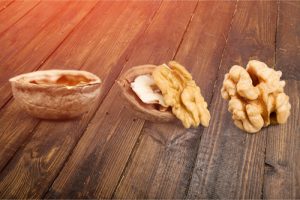
Walnuts are a rich source of omega 3 fats as well as essential vitamins. They are especially useful in delaying cognitive decline that comes with aging. Lastly, they contain polyphenols which have anti-oxidizing properties.

3. Beans

Beans are packed with folate which is important for the development of the brain. Folate deficiency has been linked to neurological disorders. A study published in Nature Reviews Neuroscience showed that beans provide more folate than any other food.

4. Avocados

Avocados provide a rich source of mono-unsaturated fats which increase blood flow to the brain. They also contain vitamin B, C, E, folate and copper which are essential for maintaining nerves in a healthy state. Vitamin B is great at relieving stress and lowering blood pressure.

5. Dark, leafy vegetables

Dark leafy vegetables such as spinach, kale and collards offer lots of beneficial vitamins and they are high in plant antioxidants. They also have a minimal amount of omega-3 fats.

6. Eggs

Eggs are high in tryptophan and choline both of which play a crucial role in the proper functioning of brain cells. Choline is the precursor of another important compound citicoline which is prevalent in brain cells. Citicoline helps the brain cells to utilize the glucose that is available to them.

Eggs are also useful in raising good cholesterol levels and reducing the amount of bad cholesterol.

7. Berries

Berries are rich in phytonutrients and flavonoids which have great antioxidant properties. When free radicals accumulate in the brain, they cause damage to nerve cells. Research has shown that flavonoids are important in improving cognitive skills, improving learning and memory retention. Berries have also shown potential in reducing inflammation in the brain.

Lastly, berries are a rich source of resveratrol which improves brain connectivity in older people.

8.  Pumpkin Seeds

Most people throw out pumpkin seeds and eat the flesh of the pumpkin for obvious reasons – carotene. But what they do not know is that the seeds have equal therapeutic benefits as well. Pumpkin seeds have antioxidizing properties that protect the brain from free radical damage. They contain zinc which is crucial for nerve signaling. Zinc deficiency will trigger the onset of neurodegenerative diseases. They also contain magnesium and copper which enhance brain function.

You can add these seeds to smoothies and salads.

9. Dark Chocolate

Dark chocolate is rich in flavonoids which have great antioxidizing properties. In one study, participants who consumed chocolate regularly had greater memory retention than those who did not. Chocolate is great for improving mood and stimulation as well.

Factors such as genetics play a key role in the development of degenerative diseases. But incorporating these foods into your meal plan will go a long way in keeping brain cell deterioration at bay.

Links

  1. https://www.medicalnewstoday.com/articles/53700.php
  2. https://www.healthline.com/nutrition/7-health-benefits-dark-chocolate
  3. https://www.ncbi.nlm.nih.gov/pubmed/10400551
  4. https://www.ncbi.nlm.nih.gov/pmc/articles/PMC2805706/
  5. https://www.medicalnewstoday.com/articles/303864.php
  6. https://www.eggnutritioncenter.org/topics/nutrients-in-eggs/